Red, Yellow, Green: A Zonal Strategy for Assistant Principal Sustainability
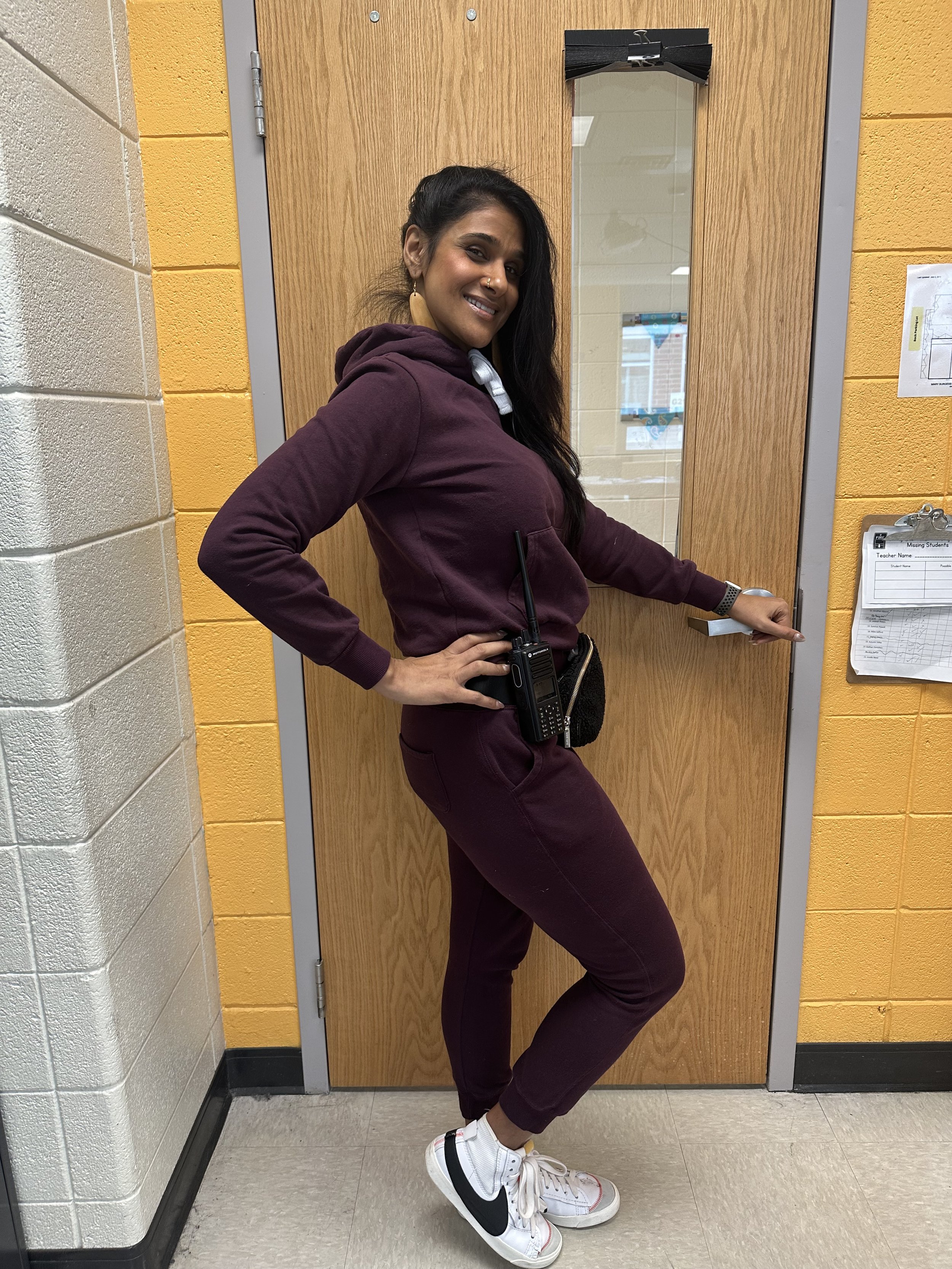
If you are an AP, you completely understand how I am feeling. The constant demands and ambiguity are real. We are all living this reality of an AP. A reality that goes something like this: It’s 4:30 PM, the buses have finally pulled away, the hallways are quiet, and you’re sitting at your desk staring at piles of paperwork and post-it notes all over your desk. Your radio is still crackling and even though it is the very end of the day, you feel like you need to keep your radio close, just in case because you know while the students are gone, there are after school clubs going on and staff members are still in the building. Let’s not forget the blinking phone with those messages left for you and your inbox has new "urgent" messages. Your mental battery isn't just low—it’s hitting 0%.
For years, I thought the fatigue of being an Assistant Principal was just part of the contract. I believed that being a servant leader meant being a 24/7 fixer for every single crisis, every disgruntled parent, and every broken copier. But here’s the truth I had to learn the hard way: An exhausted leader cannot lead with heart. You cannot give what you don't have. On top of that, I have also realized that we are always being watched, as leaders. How we show up matters. We model the way, we affect our school culture. As leaders, we matter and we must be the ones to show others they matter too. But, being exhausted just makes it too hard. Let’s be honest, we want to give up often. I am learning to embrace each new day and I am committed to being more of a leader who doesn’t just survive the day, but impacts our students and staff. This starts with not allowing that to-do list to manage us, but us starting manage our zones of energy. It is a work in progress, but I would like to share how I am working on this goal.
The Day the "To-Do List" Failed Me
I remember a Tuesday in October. I had a beautifully color-coded calendar. By 9:15 AM, it sunk. A student crisis in the cafeteria led to a three-hour investigation, which bled into a frantic parent meeting, which collided with a last-minute meeting.anothr s emer
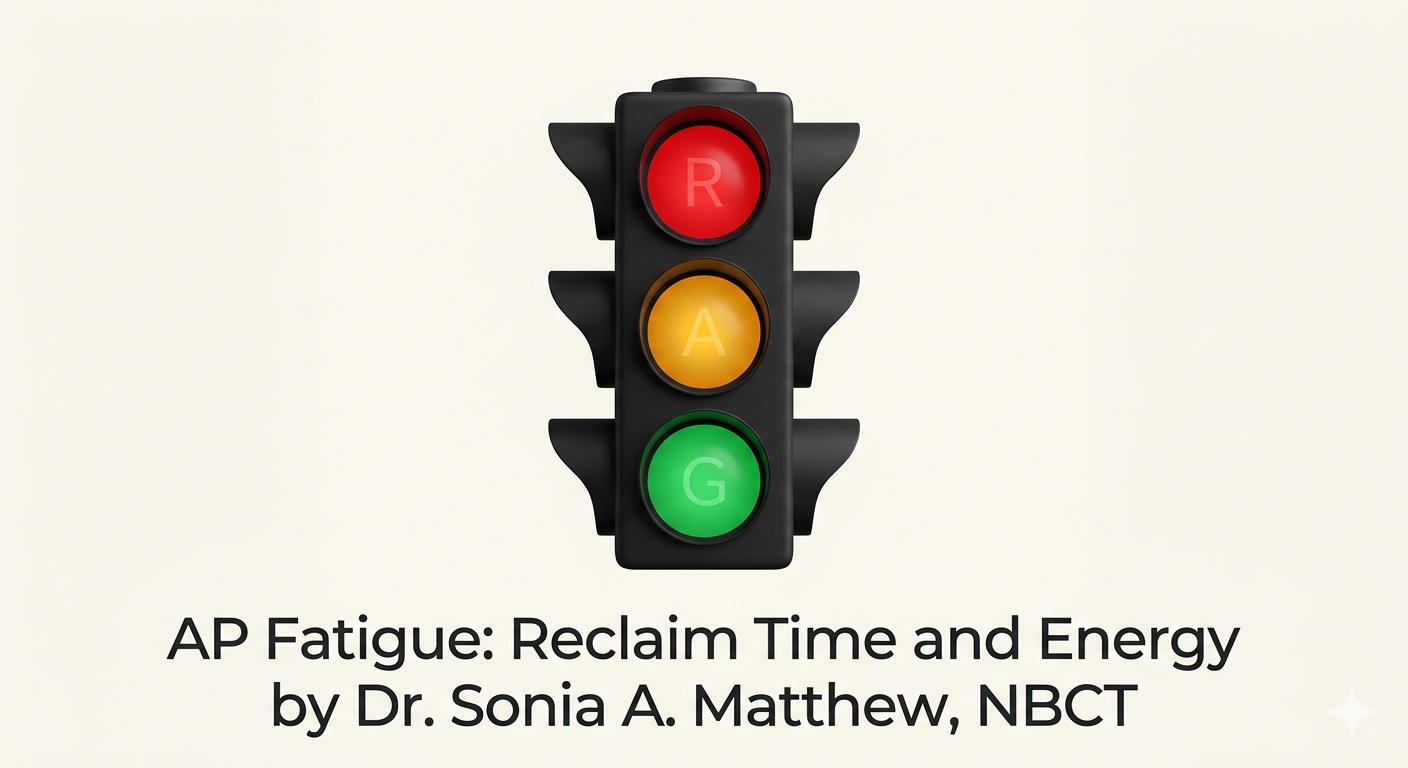
By the time I sat down to write an email for a struggling teacher, I was "context-switching" so fast my brain felt like it had twenty browser tabs open, and all of them were freezing. I realized then: The job is never-ending, so my availability must have an end. My principal uses a Red-Yellow-Green Protocol. These colors are outside his door and we know that green means come on in, but yellow is when it is important, but to be cautious and know that the principal is doing work that he wouldn’t mind that you interrupt, but if you don’t have to, then don’t. If the color is set at red, the principal is not to be disturbed because he is in the deep, strategic and important work at that time and should not be interrupted. This idea of the Red-Yellow-Green Protocol really intriqued me in the moment on that Tuesday morning. I need to come up with a protocol for my energy level and so I did.
1. The Red Zone: Protecting the "Deep Work"
The Red Zone is your "Vault." This is for the high-cognitive tasks that move the needle: budget planning, complex evaluations, or strategic scheduling.
The Personal Shift: I started blocking 9:00 AM to 10:30 AM as my Red Zone. I put a sign on my door. I turned off the email notifications.
The Result: Tasks that used to take me four hours (because of constant interruptions) now took ninety minutes. By "One-Touching" my paperwork—deciding right then and there to file, delegate, or finish—I stopped carrying the mental weight of "unfinished business" into my afternoon.
2. The Yellow Zone: Tactical Visibility
The Yellow Zone is "Active Management." You are in the hallways, the cafeteria, or the bus loop. You are visible, but you are moving.
The Story: I used to get "trapped" in the hallway. A staff member would catch me, and a "quick question" would turn into a twenty-minute venting session. I was losing my energy before I even got to a classroom.
The Protocol: Now, in the Yellow Zone, I keep walking. If someone stops me, I say, "I’m on my way to a classroom right now, but I want to give this the attention it deserves. Can you send me a 30-second summary so I'm prepped when we talk during my Green Zone?" It sounds small, but it protects your instructional leadership time fiercely.
3. The Green Zone: Radical Presence
This is where the magic happens. The Green Zone is when your door is wide open and you are fully, 100% available.
Leading with Heart: Because I’ve protected my energy in the Red Zone, I actually have the patience to sit with the student who had a rough morning. I have the "soul-space" to listen to a teacher who just needs to be heard.
The 40% Rule: I leave 40% of my day officially "unscheduled." This isn't "free time"—it’s "crisis-response time." When the inevitable school whirlwind happens, it doesn't ruin my day because I actually planned for the unplanned.
The hardest part of AP fatigue is taking the school home with you. To stop the bleed, I started a Two-Minute Audit before I turn the key in my office door:
Check the "Big Rock": Did I move the most important task forward?
Clear the Deck: Is there one "email bomb" I can diffuse right now so I don't think about it during dinner?
The Mental Shut-Off: As I walk to my car, I consciously transition from "Assistant Principal" to "Human."
The school will still be there tomorrow. The "never-ending" tasks will still be waiting. But if you protect your zones today, you’ll show up tomorrow with the energy, focus, and that servant leadership that your school community deserves.